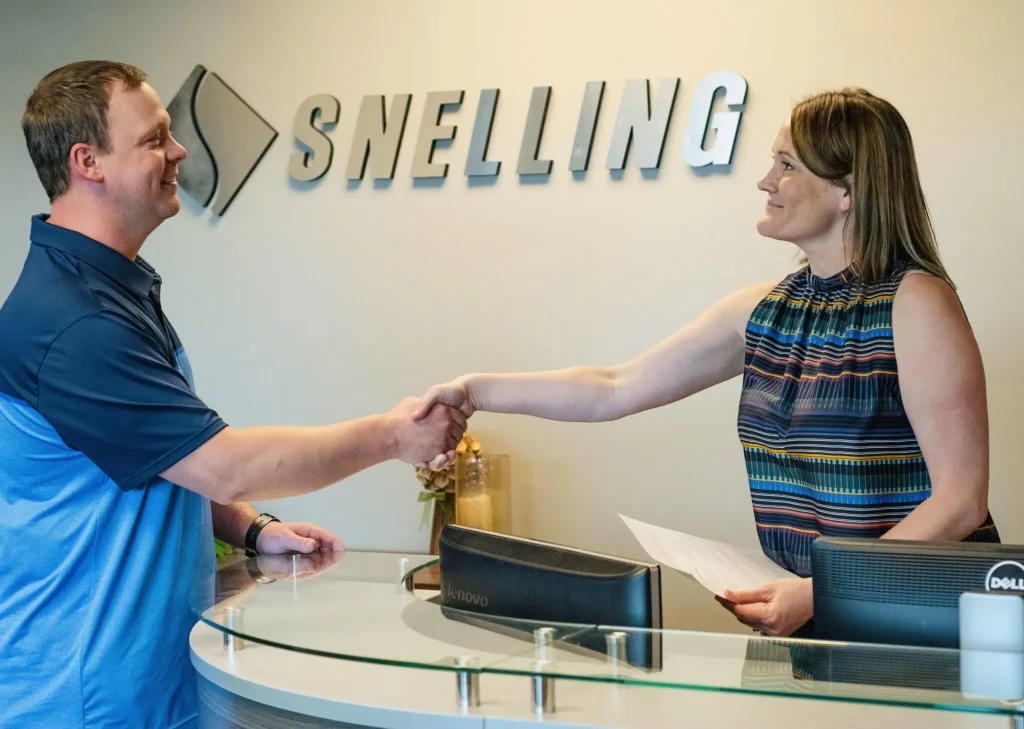
A Practical Guide for Local Employers
For many Northern Colorado employers, finding the right hire is about more than filling an open position-it’s about long-term fit and performance. A contract model bridges that gap, giving businesses a risk-managed way to evaluate candidates before making a permanent commitment. Whether you’re managing a growing manufacturing facility in Greeley or running a small business in Fort Collins, this approach offers measurable returns in both productivity and cost control.
Below is a complete playbook for local HR managers and business owners exploring contract staffing: how to measure ROI, streamline onboarding, design trial-period best practices, and build strong contracts that protect your business.
Understanding Contract Staffing
The Recruiting & Executive Search model allows employers to bring on candidates through a recruiting agency, such as Snelling Staffing of Northern Colorado, for a trial period before extending a permanent offer. This structure combines flexibility with commitment-companies get immediate help while evaluating cultural and performance fit.
Key advantages include:
- Reduced hiring risk through real-world performance evaluation
- Faster recruitment for critical or high-turnover roles
- Fewer administrative burdens during the trial phase
- Access to a pre-vetted talent pool through local recruiting experts
When handled strategically, contract placements become a cost-effective pipeline for long-term, high-performing employees.
Calculating ROI on Contract
Determining the value of contract staffing requires a simple formula: compare what you save in turnover and recruitment costs against the investment in the temporary phase.
Core ROI drivers include:
- Reduced turnover: Hiring based on observed performance minimizes the risk of poor-fit hires.
- Lower training costs: Candidates come with agency-backed skill verification.
- Decreased downtime: Immediate placement fills productivity gaps faster than traditional hiring.
- Administrative efficiency: Payroll, benefits, and compliance are managed by the recruiting agency until conversion.
Businesses across Northern Colorado-from Loveland manufacturers to Fort Collins tech firms-report consistent ROI improvements when leveraging contract arrangements to stabilize their workforce.
Onboarding Checklist for Contract Employees
A smooth onboarding process ensures the contract model delivers full value. HR managers can use this checklist to set clear expectations and support success from day one:
Before the employee starts:
- Confirm job description and reporting structure.
- Coordinate with your recruiting agency to finalize the start date.
- Prepare workstations, credentials, and safety gear if applicable.
During the first week:
- Conduct a clear orientation and site tour.
- Assign a mentor or supervisor for early guidance.
- Review performance goals and key responsibilities.
During the trial period:
- Schedule progress check-ins with the employee and agency representative.
- Document performance metrics tied to conversion criteria.
- Maintain regular feedback loops to ensure alignment with company standards.
Trial-Period Best Practices
The trial phase of a contract engagement functions as a live interview. To maximize value:
- Define success metrics early. Outline productivity, attendance, and teamwork benchmarks.
- Communicate openly. Employees should know what it takes to be converted to permanent.
- Leverage the agency’s insight. Recruiting partners can identify skill gaps and provide coaching during the trial.
- Evaluate both skill and culture. A technically strong worker who thrives in your environment adds long-term value.
Streamline your hiring process and improve long-term retention. Make an appointment or call (970) 225-9292 now to schedule a strategic assessment of your recruiting pipeline.
Sample Contract Terms for Contract Arrangements
Every business should understand the typical elements in a contract agreement. While specific terms vary, most contracts address:
- Assignment duration: Commonly ranges from 60 to 90 days before conversion eligibility.
- Conversion fee structure: Outlines whether a buyout or conversion fee applies upon permanent hire.
- Performance expectations: Defines goals and responsibilities during the temporary phase.
- Confidentiality and non-compete clauses: Protect your business interests and proprietary information.
- Termination terms: Clarifies how either party can end the agreement before completion.
Working closely with a recruiting agency ensures these details align with your company’s compliance standards and operational needs.
Building a Long-Term Workforce Strategy
Contract staffing shouldn’t just fill immediate gaps-it should strengthen your overall workforce strategy. Businesses that treat the trial period as a structured extension of recruiting gain a clearer understanding of what makes employees thrive.
Strategic integration tips:
- Use feedback from contract candidates to refine onboarding for permanent staff.
- Track conversion rates and retention metrics to measure long-term success.
- Coordinate with your recruiting agency to forecast seasonal or growth-based labor needs.
By maintaining this partnership mindset, companies throughout Northern Colorado can scale confidently, backed by data and consistent talent quality.
FAQs About Contract Staffing
1. How long is a typical contract period?
Most trial periods range from 60 to 90 days, but some positions may extend up to six months depending on complexity.
2. What industries benefit most from contract placements?
Manufacturing, logistics, administrative, healthcare, and professional services see strong outcomes due to high turnover rates and skill-based roles.
3. Can a contract employee decline a permanent offer?
Yes, conversion is optional for both parties. If a worker declines, the agency can quickly provide a new candidate.
4. Who handles payroll and benefits during the temporary phase?
The recruiting agency manages payroll, taxes, and compliance until the employee becomes permanent.
5. Does contract save money compared to direct hiring?
Yes. By reducing turnover and administrative burden, contract typically lowers total hiring costs while improving long-term retention.
Strengthen Your Hiring Process with Snelling Recruiting & Executive Search of Northern Colorado
Contract staffing offers more than flexibility’s a data-driven approach to hiring smarter, faster, and with greater confidence. Whether you’re a small business expanding your team or a regional employer stabilizing seasonal labor, this model ensures every hire is the right fit.
Get expert guidance on building a compliant, high-performing workforce. Make an appointment or call (970) 225-9292 for a consultation tailored to your business.